
“Dialogue of Cultures International Film Festival” 20-27 October, 2011 New York, USA
October 21, 2011 § Leave a comment
“OPEN MINDS, OPEN BORDERS”

With globalization and frequent international travel, social media, and worldwide failing economies, we barely have time to say, “hello”, to one another, let alone have deep conversations about how to solve international conflicts and understand one another’s cultural differences.
To avoid conflict, miscommunication, and misunderstandings, we can understand one another’s cultural differences, through better communication. Face to face dialogue could be a solution to solving many of our nations concerns.
“DIALOGUE OF CULTURES INTERNTIONAL FILM FESTIVAL: is the world’s first film festival dedicated to the recent global phenomenon. It’s goal is to jump-start communication between cultures through the universal language of cinema. The festival itself is based on this international spirit. After this years first edition in NYC (Oct 20-27, 2011), DCIFF will move to a different continent every year, with France and the UAE planned as its next locations.”
Films showing over the course of the next week include: “Bride Flight”, starring Rutger Hauer, “Even the Rain”, with Gael Garcia Bernal, “Dooman River”, “Cirkus Columbia”, “Bollywood Dream”, and “Transit Cities”. They are all screening conveniently at the School of Visual Arts/SVA Theater 333 West 23rd Street and the Quad Cinema 34 West 13th Street and are only $5.00. www.dciff.net
Closing night’s film, “Sketch of Mujo”, demonstrated 75 minutes of up close footage and interviews, one month after the tsunami in March 11, 2011 Japan, Miyagi, Sendai. Although there will be a handful of films about the events, “Sketch of Mujo” is the first.
Click on the links below for an interview with “The Mill and the Cross”, “Hobo with a Shotgun”, and “Black Butterflies” star, Rutger Hauer !!!
The winners of the festival were announced Sunday evening, and will continue to run this week at the Quad cinema.
WINNER: BEST DIRECTOR: “DOOMAN RIVER”/SOUTH KOREA/FRANCE
WINNER: JURY AWARD: “EVEN THE RAIN”/FRANCE/MEXICO/SPAIN, HONORABLE MENTION TO “HI-SO”/THAILAND.
PRESIDENT AWARD: “TRANSIT CITIES”/JORDAN
Videography by Sharon Abella
“George Harrison: Living in the Material World” PART 1 HBO, WED, OCT 5th @ 9pm, PART 2, HBO, THURS, OCT 6th @ 9pm EST, INTERVIEW WITH BEATLES HISTORIAN, BRUCE SPIZER, PLEASE READ BELOW
October 5, 2011 § Leave a comment
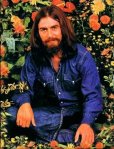
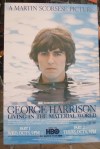

“George Harrison: Living in the Material World”, directed by Martin Scorsese, airs on HBO tonight, Wednesday, October 5th and Thursday, Oct 6th at 9pm. Last night at the New York premiere, Martin Scorsese explained that , “the film took over 6 years to make and fifty people worked on it”, while Oliva Harrison shared, “I never imagined this film would get finished. It could not be rushed. It had to just sit. In the last five years we have what George would call, ‘the support of nature’. George’s true essence was so elusive and subtle. His life was so known and so big, but his inner self was very difficult to capture. I don’t think anyone but Marty could capture it.”
BRUCE SPIZER, IS A BEATLES HISTORIAN AND THE AUTHOR OF, “THE BEATLES’ STORY ON CAPITOL RECORDS”, “THE BEATLES ARE COMING: THE BIRTH OF BEATLEMANIA IN AMERICA”, “BEATLES FOR SALE ON PARLOPHONE RECORDS”, and five other books pertaining to the iconic band. He took the time out of his very busy schedule to answer the following questions listed below. www.beatle.net
Q: SHARON ABELLA: “What can you tell me that has rarely, if ever, been said about, “The Beatles”?
A: BRUCE SPIZER: “With so much already written about “The Beatles”, that is hard to do. I was fortunate to uncover some very interesting and little known facts when researching my books. I came across an interview made during “The Beatles” first U.S. visit in February, 1964, in which New York TV reporter Gabe Pressman asks Paul, “What effect do you think “The Beatles” will have on Western culture?” Paul is amused by the question and responds, “I don’t know. You must be joking with that question. It’s not culture.” When asked what it is, Paul replies, “It’s a laugh”. This shows the innocence of the times. While Gabe Pressman’s question now appears to be very astute, he was being sarcastic, as if to say, “Where do you think you will be in a few months?” But as we know now, “The Beatles”, have had a tremendous impact on Western culture.
I also uncovered the fact that CBS broadcasted a five-minute feature story on “The Beatles” on the CBS Morning News with Mike Wallace in November, 1963. No one, including, Mike Wallace, remembered the broadcast because President Kennedy was shot a few hours later.
“The Beatles” first U.S. single, “Please, Please Me”, was released on February 7, 1963, exactly one year prior to the group arriving in America for the first time. While the record was largely ignored at the time, “The Beatles” arrival exactly one year later, was national news.”
Q: SHARON ABELLA: “When did the John/Paul competition start?”
A: Bruce Spizer: “I would imagine that the competition between John and Paul was there from the very beginning. When John first met Paul, he was impressed with Paul’s abilities. He had to decide whether to take Paul into his band and no longer be the most talented musician in the group, or decline to let Paul join the band and remain the group’s best musician. John chose to take in Paul because he knew it would improve the band.
There was always competition between John and Paul over getting the A-sides of singles. In the early days, John normally had the A-side, although some songs were true John and Paul compositions. John also insisted that songs be credited to “Lennon-McCartney”. This was done for the first two singles, but producer, George Martin, listed songs as “McCartney-Lennon” for the group’s first LP and the third single. At John’s insistence, all future records said “Lennon-McCartney”. It was a friendly competition in that John and Paul pushed each other to write better songs. When Paul came up with a great song like “Hey Jude”, John would admit it should be the A-side even though he initially wanted his “Revolution” as the A-side. Their competition brought out the best in them as songwriters.”
Q: SHARON ABELLA: How did it grow (before Yoko ever came in)?
A: BRUCE SPIZER: “It wasn’t so much that Yoko increased the completion between John and Paul, it was more a case of John electing to spend all of his time with Yoko, which meant he had little time for Paul. During the “Let It Be” project, there was very little competition for songs as John had only a few new songs to offer. For “Abbey Road,” John pushed for an album of separate songs, while Paul liked George Martin’s idea for a long medley or suite of songs. A compromise was reached where side one was separate songs and side two was dominated by a huge medley.”
Q: SHARON ABELLA: “Was Ringo ever replaced during the studio recording process by another drummer?”
A: BRUCE SPIZER:
“Ringo played drums during “The Beatles” first proper EMI recording session held on September 4, 1962. “Love Me Do”, and “How Do You Do It?” a non-Lennon-McCartney song, were recorded that day. Neither George Martin, nor his assistant, Ron Richards, were pleased with the drum sound, so Ron Richards brought in a session drummer, Andy White, when the group was sent back into the studio one week later, on September 11th. They re-recorded, “Love Me Do”, and recorded another Lennon-McCartney original, “P.S. I Love You.” Andy White played drums on both tracks, while Ringo played tambourine on “Love Me Do” and shook maracas on “P.S. I Love You.” The group’s first single used the version of “Love Me Do” with Ringo on drums coupled with “P.S. I Love You.” When the group’s first album was compiled, the version of “Love Me Do” with Andy White on drums was used.
During the recording of “The White Album” in 1968, Ringo temporarily quit the group after an argument with Paul over the drumming on “Back In The U.S.S.R.” McCartney played drums on that song, along with “Dear Prudence,” before Ringo returned to the sessions. Paul also played drums on “Wild Honey Pie,” an experimental piece he knocked out himself during the “White Album” sessions.
Paul was the drummer on “The Ballad of John and Yoko,” which was recorded entirely by John and Paul in April 1969. John was in a hurry to record the song, so he and Paul did it by themselves because Ringo was busy filming “The Magic Christian” and George was out of the country.”
Q: SHARON ABELLA: “Why didn’t Paul show up to The Rock and Roll Hall of Fame induction?”
Q: SHARON ABELLA: “How did George Martin get involved?”
Q: SHARON ABELLA: Were decisions made by the four Beatles voting?
A: BRUCE SPIZER:
“All decisions of the Beatles were normally made with all four in agreement,
though John and Paul were influential enough so that if the two of them were
in favor of something, George and Ringo often capitulated even though they
did not necessarily agree. An example of this was the use of the Butcher
photo on the cover of the album “Yesterday And Today.” John came up with the idea to use the photo for the cover and Paul thought it would be cool.
Although Ringo and George did not like the idea, they did not formally
object to its use. John did not always get his way. The song “Revolution”
was re-recorded to get a faster version of the song for the single. John was
unable to get the song “What’s The New Mary Jane?” on “The White Album.” The
group was deeply split on the hiring of Alan Klein to manage Apple and the
Beatles. Paul objected and never signed an agreement with Klein”.
Q: SHARON ABELLA: Who decided the final songs on the records?
A: BRUCE SPIZER:
“As the group’s producer and the head of the Parlophone label, George Martin
was responsible for deciding what songs the group would record and what
would end up on the records. Although he forced the Beatles to record “How
Do You Do It,” a song written by a professional songwriter, for the group’s
first session, he never did so again, allowing the Beatles to chose the
songs to record. He wisely recognized the group’s talent and saw no need to
select songs for them.”
A: BRUCE SPIZER:
“George Martin selected the running order of the songs on the group’s albums
released from 1962 – 1966. By the time “Sgt. Pepper” was recorded, John and
Paul were heavily involved in selecting the running order of the songs with
George Martin.”
A: BRUCE SPIZER:
“After Ringo’s brief probationary period with the band ended, all group
income was split equally. John and Paul made more money due to songwriter’s
royalties.”
A: BRUCE SPIZER:
“The Cavern, John and Paul’s houses, Penny Lane, Strawberry Field, the church
were John met Paul. Just walk around and get the flavor of the city. Also go
to the Beatles museum.”
A: BRUCE SPIZER:
“Of course. I am looking forward to it. A great film maker doing a
documentary on a great man and musician.”
Article by Sharon Abella
Steve Van Zandt attends Sir Paul McCartney’s World Premiere of “Ocean’s Kingdom”
September 23, 2011 § Leave a comment
Lionsgate’s, “Warrior”, Article by Sharon Abella
September 6, 2011 § Leave a comment
“WARRIOR”, IN THEATERS, THIS FRIDAY, SEPTEMBER 9th, 2011
You may be thinking the same thing I was thinking which was, “Really? Yet another film about boxing? Didn’t “The Fighter” just come out last year? And wasn’t “The Fighter” 2010 that years, “Wrestler” 2008, while, “The Wrestler” 2008, was that years, “Invincible” 2006? How many blue collar sports movies with heart and substance abuse are going to ‘take what works and copy it'”?
HOWEVER, “Warrior” is different. First off, this Cain and Abel story is actually about MIXED MARTIAL ARTS, and NOT boxing, wrestling, or football. Paddy Conlon (Nick Nolte), physically trains his son, Tommy Conlon (Tom Hardy) , while Alice Ward (Melissa Leo), managed Micky Ward (Mark Wahlberg) and Dicky Eklund, (Christian Bale). “Warrior” is a story about pent up anger and underlying frustrations from estranged relationships between father and sons, alcohol abuse, time served in the military, and the drive of how far one man will go to “not go backwards”, to be able to continue to make the mortgage payments in order to keep his home and family together. All of the preceding factors added fuel to fire, and their emotions get sorted out in the ring. Suspenseful! Terrific camerawork! MUST SEE!
Article by Sharon Abella
Lenny Kravitz, On a Music and Movie Roll: “Black and White America” and “The Hunger Games”, Article by Sharon Abella
September 1, 2011 § Leave a comment
Harmony of an angelic choir, focus set on God and faith, Lenny Kravitz is a rock and roll genius, who has always been known for his jazzy, bluesy, funky, soulful Beatlesque qualities! From “Let Love Rule” back in 1989, to “Mama Said”, “Are You Gonna Go My Way”, “Circus”, “5”, “Lenny”, “Baptism”, “It is Time for a Love Revolution”, and NOW THE NEW, 2011, “Black and White America”. With a young Lenny with a peace sign on his forehead, the album cover resembles a young Michael Jackson from “The Jackson Five” period.

On August 31st, 2011, a time when the Northeast could use a little musical escape, Samsung and AT&T helped kick off Lenny Kravitz’s “Black and White America” Tour with a free hour and a half concert at the old auto dealership, now converted into a music hall, “Terminal 5” in NEW YORK CITY!!!
Most musicians would see this as a prime opportunity to play mainly new songs from their new album with only a few old songs mixed in, but NOT Lenny! Lenny understands the true meaning and value of music and life, and knows how to deliver a performance that is pleasing to everyone! The majority of the concert consisted of his classic hits that everyone could sing along with including, “It Ain’t Over ’til It’s Over”, “Mr. Cab Driver”, “American Woman”, “Mama Said”, “Fly Away”, “Are you Gonna Go My Way?”, and “Let Love Rule”! The title and influences for his latest album, “Black and White America”, come from Martin Luther King, Jr., his parents, and the Bahamas, and include meaningful songs entitled, “Come and Get It”, “Black and White America”, and “Stand”.
Fresh from “The Hunger Games” movie set in Charlotte, NC, Lenny Kravitz plays, Katniss’s friend and stylist, “Cinna”, making the man not only a musical legend, but an established film actor, as well. If you have not seen him in the social and humanitarian role in “Precious“, you must!
With Hurricane Irene making her mark on the Mid-Atlantic and Northeast this past weekend, millions of Americans came face to face with their deepest fears, and were subjected to the loss of safety, security and basic needs, and their fight or flight survival instincts kicked in. “THE HUNGER GAMES” is more pertinent than ever and should be read and seen by all!
Look for Lenny Kravitz in “The Hunger Games” out in theaters on March 23, 2012!
Article by Sharon Abella
Interview: NASCAR DRIVER: BRENDAN GAUGHAN, Article by Sharon Abella
August 19, 2011 § Leave a comment


Well-rounded, well-educated, athletic, enthusiastic, and adventurous, are just a few adjectives to describe American Nascar stock car and truck series driver, #62, Brendan Gaughan. With 16 NASCAR Career Wins, 10 Pole Awards, 8 Truck Series victories, and 2 series Championships over the past 13 seasons, Brendan has certainly made his mark, however, driving is not the only sport Brendan excels at. While studying at Georgetown University, he also played basketball and football, as well. Born into a good family, his grandfather, is Vegas gaming pioneer, Jackie Gaughan, while his father is hotel and casino magnate, Michael Gaughan. When Brendan is not racing, he enjoys spending time with his wife, Tatum, and son, Michael James, as well as, snow-skiing in Colorado, and scuba diving all year round.
Read what BRENDAN GAUGHAN has to say about NASCAR!!!
Q: SHARON ABELLA: Did you know from a young age that you wanted to go into racing?
A: BRENDAN GAUGHAN: “You hear stories of people racing go-karts since they were five years old. That’s what they were groomed to do since they were walking. I don’t like that. I am a new father, and I don’t like that theory. I never liked that theory. When I grew up, my dad introduced me to many sports. I was on the swimming team in grade school. I played volleyball. I played baseball. You name it, I played it. My father did cross-desert, off-desert racing, similar to the Baja-1000, for fun. It was just a hobby for him. He has raced for 30 years, and I would watch him. It was just a fun hobby for my entire family, but when I got old enough to race, I raced with him. Originally, it was just for fun, and I was good at it, but it was supposed to be just for fun. I loved it, but I was just doing it as a hobby at the time . I played college sports, so it wasn’t like anything that I thought I was going to do for the rest of my life. Again, it was something that I was doing for fun, but the better I got, the more people noticed, and the more people were willing to spend other people’s money on me, and now here I am, years later.”
Q: SHARON ABELLA: “What type of training and physical conditioning is involved in racing?”
A: BRENDAN GAUGHAN: “It’s just like most sports. An athlete comes in a lot of different shapes and sizes. Anybody that watches baseball, or football, knows that a wide receiver looks totally different than a lineman. They are both athletes, but it takes a different kind of conditioning and a different kind of practice. The biggest part you have with racing is the mental conditioning, the mental toughness of it. Because when we hit walls, when we make mistakes, it hurts more. That’s really one of the toughest things. I do stay in shape. I do like to work out. I fluctuate in weight quite often. You look at some of the best in the business, Jimmie Johnson, Carl Edwards, Mark Martin, they are all in peak physical form.”
Q: SHARON ABELLA: “What are the most common culprits of crashes? Can they be pinpointed to a few different reasons?”
A: BRENDAN GAUGHAN: “There are a million different reasons why crashes can happen. You could blow a tire, you could have some sort of a part failure that causes a wreck. You can make a mistake and cause a wreck. Other people make mistakes which can cause a wreck. There is no just one thing that you can say, ‘that caused the wreck’. Every situation is different. Different racetracks are more difficult. When it happens, you have things that you go through that kind of are subconscious that try to stop you from hitting a wall, stop you from crashing that car. Many times there is nothing you can do about it. It doesn’t matter if you thought you were the greatest driver in the world. We all wreck once in awhile.”
Q: SHARON ABELLA: “How does a driver go from 14th place to first place? Obviously speed, but what does it take to reach first place if you are trailing so far behind?”
A: BRENDAN GAUGHAN: “In NASCAR racing, if you are down multiple laps, you are just running for points at that point. You always finish the race because you get points for first place or 43rd place. So, no matter how bad the day is, you always want to try and get back out there, and gain a couple spots, because those couple spots are points positions. It’s tough to come back from multiple laps down. People come back from a lap down all the time now. With the way the rules are, with the “Lucky Dog” rule, with the way the restart happened, with this new route policy, you can gain a lap back and get back in contention. If you went a lap down, other than it being due to a green flag pit stop, or a caution of time, and those sorts of things, other than that, if you have gone a lap down, it is most likely that you are slow, and you are a lap down because you weren’t going fast enough. You wouldn’t get that lap back. The only thing you can do on those days, is keep working hard, giving feedback to your crew, keep trying to make that race car better. The goal is to try to bring that race car home in one piece. In whatever position it’s in, and just bring it home. Say ‘okay, it wasn’t our day’, learn what you can from it, and bring it back it one piece. Because if you bring it back in a milk carton, that doesn’t help you get better when you go back. If you bring it back in one piece, you can diagnose it, say we missed here, and go back for something else.”
Q: SHARON ABELLA: “Do you have one competitor in particular that you would like to beat?”
A: BRENDAN GAUGHAN: “Whoever is in front of me. There’s guys we like, and guys we don’t like, and that’s with any sport. You always have guys that you get along better with. Some are your friends, some aren’t your friends, and some are just competitors, and you don’t know a lot about them. In NASCAR, the competitor vibe is a little different than in football or basketball. A football player sees the other opposing football player once a year, maybe. We see each other every week, so we have to have a little bit different respect level. That is kind of a key component. We may not like each other at times, but we always have to have that respect for each other with what we are doing, because our machines could be deadly weapons. It is a team sport. I have a team of guys at the race shop, that were working until ten o’clock last night trying to get this race car put together. They are the ones who have wives and children that they are missing. If I go out there and wreck my car trying to do something stupid to somebody because I have a vendetta, and I wreck both of us, all that does it take a bunch of lives and take them away from their families. You have to think big picture at those sorts of times. The smart guys always think, and always remember that there is more than just you in that race car in there. You pay attention to what is going on around you. You treat all that with respect. When it comes to who I want to beat? Whoever is in front of me is who I want to beat. I don’t care if it is for third place, fifth place, or tenth place, if they are in front of me, I want to get by.”
Q: SHARON ABELLA: Talk about racing against Jimmie Johnson.
A: BRENDAN GAUGHAN: “Jimmie and I have raced against each other since we were 15. We have been competitors against each other our whole lives, we have been friends throughout most of our teenage years. That’s the only bragging rights I have left against ole Jimmie. Jimmie never beat me for the World Championship. I always won those. He has got 5 Sprint Cup titles, I’ve got four World Championships. Those were some of the best times. We were young, in our late teens and early twenties, and having a great time. We weren’t grown up enough to know what was going on, and were just having a great time. We’ve been friends a long time. Those wins were the greatest moments ever. I love every win, and I remember every one of those.”
Q: SHARON ABELLA: “How does a driver know when it is time to retire?”
A: BRENDAN GAUGHAN: “I was told by racing great, Parnelli Jones, a long time ago, Parnelli, was a dear friend of mine and a mentor, and Parnelli told me, ‘you know it’s time to quit, when you have THAT accident’. I looked at him and I said, ‘what do you mean, that accident?’, he said, ‘you’ll know that accident when you have it’. When you have that accident, the first thing you think about is the family business. When your first thought isn’t about that race car, it isn’t about you just wrecked, or you just cost yourself the win. When it’s about the family business sure feels good right now, it’s probably time to get out. I remember my first, THAT accident. I remember sitting there, I broke a couple of ribs, broke a shoulder blade, I was sitting in the race car, climbing out, going, ‘oh wow, that hurt’. I looked at the race car, and it was a brand new race car. We just finished building it, and oh, I was just devastated. We had spent like a month a half building that race car, and putting every expensive piece of equipment we had at the time into it. I remember going, ‘oh damn, the car, oh’. When I looked at it, I knew it was destroyed, and going, ‘man, it took us so long to put it together, we’re never going to be able to fix it’. All of a sudden, I go, ‘Damn, I didn’t think of the family business. I guess it isn’t time to hang it up yet’. That’s what I was told. “You’ll know when it’s time, when you have THAT ACCIDENT, and the first thought is the family business sure feels good right now.”
Q: SHARON ABELLA: “Talk about the safety regulations in NASCAR.”
A: BRENDAN GAUGHAN: “There are a lot of safety regulations. This is their world. This is their sandbox. If you want to play in it, whether you are a race track operator, you are a race car driver, or you’re a race team owner, you have to follow by their rules. So NASCAR has taken a really big stance on every track we race on has to have soft walls, the safety barrier put up, every race car has the same strict standards that you have to abide by, how they are built, the safety devices that are in them, the safety devices that we have to wear. All these things are mandated by NASCAR. Nascar has spent the last decade, since Dale Earnhardt, Sr. passed away in 2001, really taking a lead role in race car and race track safety. It is by far a much safer sport now. There is no doubt about it. The sad part about Dale Earnhardt’s passing away was that his best legacy was what was left after he passed. He is the reason why these safety measures were enforced. He has saved many a life as a result of his passing. It was one of the saddest days in NASCAR history, when it came to losing a legend, but it totally changed the atmosphere of what was being done. It is a much safer sport now, more so, than it has ever been, 100% safer.”
Q: SHARON ABELLA: “What is your favorite thing to do when you aren’t racing?”
A: BRENDAN GAUGHAN: “I spend time with my wife and son. I am also an athlete by trade. I snow ski in the winter, and love the mountains in Colorado. Then, I also scuba dive all year round. I’m either underwater teaching scuba diving, or going scuba diving on my own. Those are the main things I do in my spare time right now.”
Article by Sharon Abella
Ayrton Senna NOW PLAYING AT Landmark Sunshine Cinema on Houston Street in NYC, Article by Sharon Abella
August 13, 2011 § Leave a comment
A Driving Force! “Just because I believe in God, just because I have faith in God, it doesn’t mean that I am immune. It doesn’t mean that I am immortal.” “Nothing can keep me away from the love of God”, ~Ayrton Senna, Brazilian racing driver and three-time Formula One world champion! (1960-1994)
In a sport where there “is no room for error, for an error would lead to an accident”, Ayrton Senna’s life story had everything that a Hollywood movie requires: Heart, Soul, Faith, Humility, Confidence, Speed, Action, Looks, the Evil Competitor, the Love Story, the Love of the Game, the Political and Monetary Influences, Philanthropy, and most importantly, the Tragedy!
From a young age, Ayrton knew where his interests lied, and would pay attention in school, so that he would have more time to spend go-karting instead of doing homework. Although his family had the means to support his hobby, Ayrton had to fight his way into Formula One by virtue of his talents. On October 30, 1988, while at the Japanese Grand Prix, he overcame all obstacles, when his car stalled in the starting line. Losing time, Ayrton demonstrated just how much of an unstoppable driving force he was when he went from 16th to 4th to FIRST PLACE. He particularly enjoyed wet conditions, was able to pull into the lead from being five laps behind, was able to handle any antics, Alain Prost, his French competitor dished out, could walk away from any minor accident, unscathed, and demonstrated the ability to stay humble even when the stakes were high and the rules enforced; always keeping his family, friends and love of God, First Place.
10/10 STAR FILM FOR A 10/10 STAR MAN!
Article by Sharon Abella
“El Bulli: Cooking in Progress” @ FILM FORUM July 27-Aug 10, 2011
July 23, 2011 § Leave a comment
ON JULY 30, 2011, The FIVE-TIME RECIPIENT OF RESTAURANT MAGAZINE’S “WORLD’S BEST RESTAURANT” AWARD HAS COMPLETED ITS JOURNEY AS WE KNOW IT, AND IS CLOSING ITS DOORS, NOT FOR THE USUAL SEASONAL SIX-MONTH STINT TO PREPARE NEW IDEAS FOR THE NEXT YEAR, BUT FOR GOOD. CATALAN CHEF, FERRAN ADRIA, WILL TRANSFORM “EL BULLI” INTO A THINK-TANK FOR CREATIVE CULTURE AND GASTRONOMY, AND IT WILL REOPEN IN 2014.
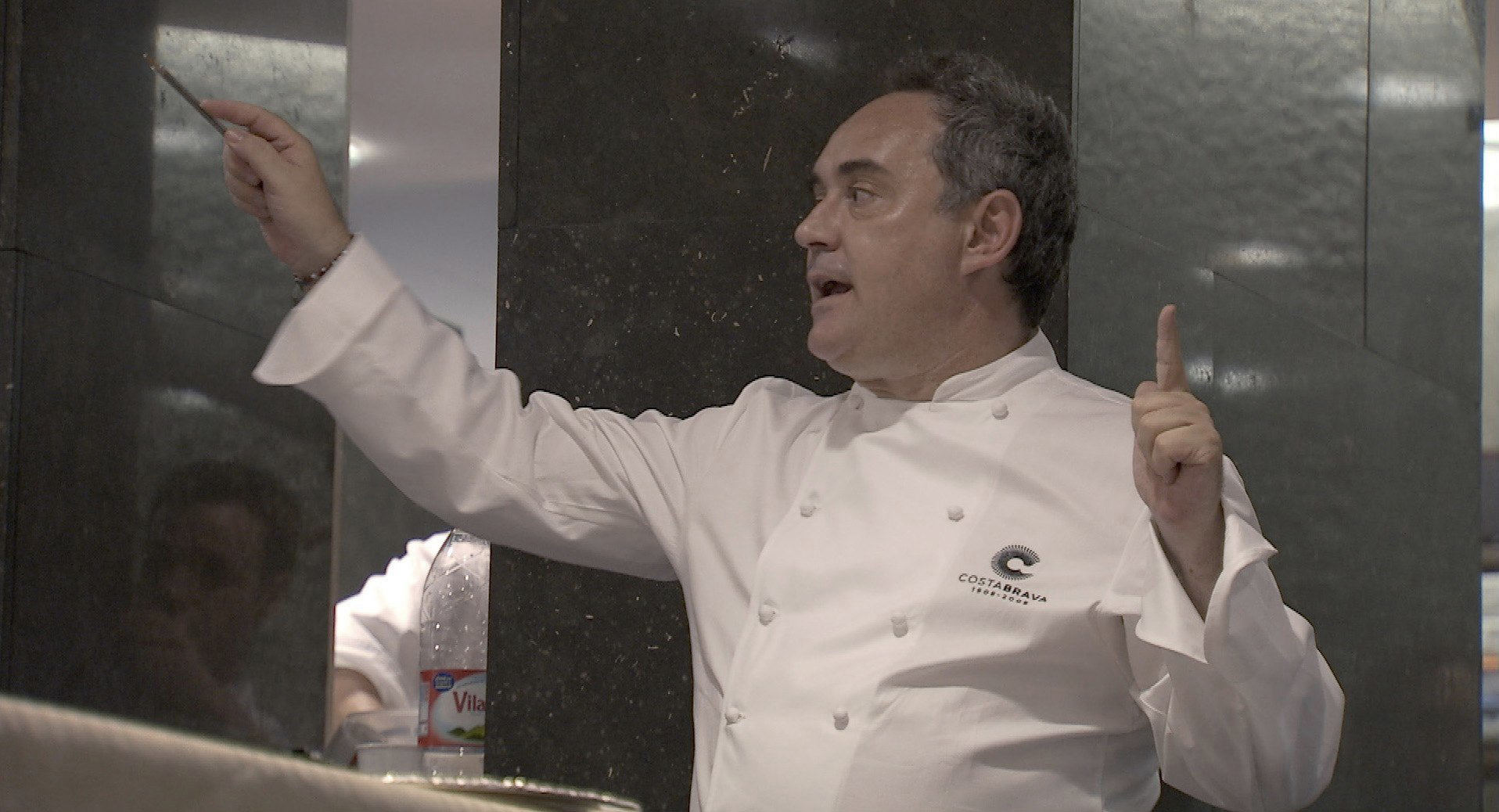
It is heartbreaking to see a 47 year old phenomenon close, however, when one door closes another one opens, and the film El Bulli: Cooking In Progress, by filmmaker Gereon Wetzel, transports us into what Ferran describes as “the complex, yet simple” restaurant and its concrete, yet unpredictable creative process required to become and remain the best. Beginning this July 27th at the Film Forum in New York City, “El Bulli: Cooking In Progress” will teach you what these world renowned experts have spent decades honing their craft on. Think about it this way: 2,000,000 people requested reservations at El Bulli annually, however, only 50 were accommodated on 160 nights per season. Diners did not choose from a menu, instead, each guest was served between 28 and 35 small portions, consisting of cocktails, snacks, tapas, desserts and morphs. Snacks are an interesting alternative to bread and butter, they are little bites (for example, madeleines with black olives) served at the beginning of the meal, after the cocktail and before the tapas. Pre-desserts are small dishes served after the tapas and before the desserts, which mark the transition between the savory and the sweet world, and morphs are an El Bulli invention, which replace petit fours at the conclusion of the menu. A culinary education in itself, you would be at a great disadvantage not to find 108 minutes out of your busy schedule to watch the documentary over the next couple of weeks.

El Bulli, also spelled elBulli, opened in 1964 as a simple beach eatery in Cala Monjoi, a cove near the town of Roses, in the Catalan province of Girona, Spain, located a few hours from Barcelona, by a German couple Hans and Marketta Schilling, and was named after the French bulldogs they owned. It later evolved into a gourmet restaurant, serving mainly French cuisine. A turning point began in 1981, when Juli Soler signed on as manager and, in 1984, hired the young Ferran Adria, and his then 15 year old brother, Albert Adria in 1985. Ferran, a believer that “creativity means not copying”, began to find his own individual style, and due to a lack of business in the winter months, the restaurant closed for six months at a time allowing for Ferran, Albert and Oriol Castro, to research new “techno-conceptual” cooking art techniques, while experimenting with culinary physics and food science which soon influenced culinary professionals worldwide. Techniques and textures including foams, warm jellies, salty ices, caramelization, sodium alginate, liquid nitrogen, xanthan, gelification, emulsification, and spherification, put El Bulli on the map, allowing it to earn its third Michelin star in 1997 and catapulting the restaurant forward to becoming a five-time recipient of Restaurant Magazine’s “World’s Best Restaurant” award. Although El Bulli is closing in a few days, Ferran Adria and Jose Andres can be found at Harvard University as they began teaching a 13 week culinary physics course this past fall.

Coincidentally, while on vacation in Asheville, NC, I met one of Jose Andres’ (The Bazaar in Beverly Hills) and Ferran Adria’s apprentices, Katie Button. Katie is not only young, intelligent and gorgeous, but hard working, focused, and driven, as well. Out of 8,000 applicants, she was accepted as one of the 40 to intern at El Bulli. Author, Lisa Abend, documented Katie’s experiences at the restaurant in her new book, “The Sorcerer’s Apprentice”, and Katie can also be seen in the film, “El Bulli: Cooking in Progress”, as well. Taking a leap of faith, she had given up a fellowship to study biomedical engineering to pursue her culinary dream, experience the world, work with the best mentors, and this past March, opened CURATE, a Spanish tapas restaurant, with her mother and fiancee, Felix.
CURATE on BILTMORE AVENUE in the lovely town of, ASHEVILLE, NC has received rave reviews.

INTERVIEW WITH CO-OWNER AND EXECUTIVE CHEF OF CURATE, KATIE BUTTON:
- Q: SHARON ABELLA: What qualities does one need in order to be respected at “El Bulli”?
- A: KATIE BUTTON: “In one word: ATTITUDE. Without the proper attitude, you cannot be a part of the team. There is no room for pride or egos at elBulli. In another word: DEDICATION. In more words: You must be hardworking, focused, a bit of a perfectionist, detail oriented, have an innate sense of high standards, self critical, be able to not only learn new things quickly and only be told how to do something once, but you must also have the ability to enjoy doing repetitive work as that is a natural part of the restaurant industry.”
- Q: SHARON ABELLA: What was the most valuable experience you learned?
- A: KATIE BUTTON: “To believe in something and go for it! I went from studying biomedical engineering to a position in the kitchen at elBulli in a little over 2 years. An amazing feat that I am very proud of. The fact that I succeeded in my position there reaffirmed my change in careers, and the fact that with the right attitude and determination, you can do anything.”
- Q: SHARON ABELLA: Talk about the various food chemistries, culinary physics and molecular gastronomy. How does one know what to blend together? Is it learned, instinctual or both?
- A: KATIE BUTTON: “Both. The techniques that I learned while I was there have been studied, and practiced. It was mainly about applying the proper proportion and following the proper procedures. However, in the realm of actually attempting to create new flavor combinations or techniques, I do believe that it is a mix of learned and instinctual. There is a certain amount that can be studied and procedures that can be followed in order to create, but there are limitations to those that lack the instinct. I think that Ferran has this instinct, which is what makes him and his team so amazing. You have to have a certain natural ability to be truly creative, and that cannot be learned.”
- Q: SHARON ABELLA: Have you experienced any obstacles being a female in a primarily male dominated industry?
- A: KATIE BUTTON: “Of course! One example is when I first arrived in Asheville, and Felix and I were introduced to people and starting talking about how we were going to open a restaurant. Everyone assumed Felix was the chef. It was amazing to see the looks on some of their faces the day we opened the restaurant and I was the one in the kitchen with the chefs coat. It is such a male dominated industry, that women are naturally overlooked.”
- Q: SHARON ABELLA: How did you handle constructive criticism from Ferran Adria?
- A: KATIE BUTTON: “Ferran did not really address me directly about my job performance. He would address the pastry chef, who in turn would speak to me. I always try to take constructive criticism humbly.”
- Q: SHARON ABELLA: Describe some of the techniques used in the film.
- A: KATIE BUTTON: “The main technique was the use of oblate, potato starch paper. Oblate is a Japanese product and something that we use at Curate. It dissolves in water, but holds up to fat and oil, so you can encapsulate fats and oils with it, but then it dissolves instantly on the tongue releasing the fat and oil. You can also use it to give stability to a very, very thin sheet of hard candy. I use this technique in the restaurant to make a special dessert that goes out to those dining at Curate for a special occasion. This is something I took straight from my time at elBulli.”
- Q: SHARON ABELLA: How did Curate come about? Why Asheville, NC?
- A: KATIE BUTTON: “CURATE came about through discussions with my mother. When I decided not to pursue my PhD in neuroscience, but instead to go into the restaurant industry, she embraced the idea since that was her background. In the summer of 2008, after I returned from my time working in the front of the house at elBulli we were sitting at a restaurant in New York when my mother came up with the idea of opening a restaurant together. The concept for Curate came about after we moved to Asheville and Felix and I were reflecting on the type of restaurant we would like to open. Since Spain is what we both know best, Curate was it. As for Asheville, my mother and I chose Asheville. We took a road trip through various cities in North Carolina, upstate New York, New Jersey, and Asheville is unlike any place I have ever been. Most of the people living in Asheville moved here because they want to live here. The quality of life, the beautiful mountains, the vibrant downtown, the sense of community, the edginess, the art, the diversity…for all of these reasons we chose Asheville. Plus we felt this was a good time to be here, the town is growing and we wanted to be a part of that growth.”
- Q: SHARON ABELLA: What’s next for you?
- A: KATIE BUTTON: ” I hope to intern on a yearly basis at the restaurants I admire, in order to continually develop my skills.”
“Sing Your Song” The Harry Belafonte Story, ON HBO THIS FALL 2011
June 27, 2011 § Leave a comment
Born in Harlem, New York City in 1927, Singer, Actor, Civil, Humanitarian and Political Rights Activist, Harry Belafonte, has heard the cries of the oppressed and has never hesitated to answer. By using cinema as a force for raising awareness to help defend and protect Human Rights, Harry Belafonte graciously shares his life’s work in “Sing Your Song,” written and directed by Susanne Rostock, at the 22nd Annual Human Rights Watch Film Festival at Lincoln Center, June 16-30, 2011. “Sing Your Song” received rave reviews at the Sundance Film Festival back in January, and will be airing on HBO this fall.
For just one moment imagine you are being told where you can and can’t sit, that you can’t vote, and that you can’t touch someone of another race. Imagine screaming at the top of your lungs begging for change and no one hears your cry. Now, meet someone who takes on all your struggles as if they were your own.
Harry Belafonte’s father abandoned his mother shortly after his birth. At a young age he found comfort and social truth at the American Negro Theater, found inspiration in Marlon Brando, Sidney Poitier, Tony Curtis, and Huddie Ledbetter, and battled racist resistance along side of Sammy Davis, Jr., Nat King Cole, Lena Horne, Quincy Jones and Ruby Dee, while gravitating to Dr. Martin Luther King, Jr’s, philosophy of brotherhood and nonviolence, the March on Washington 1963, and Nelson Mandela’s fight to end apartheid.
Article by Sharon Abella
Johnny Flynn & The Sussex Wit
June 4, 2011 § Leave a comment
Johnny Flynn is an actor and a musician from the “West London folk scene”. When I reviewed an independent film called, Lotus Eaters, at this year’s Tribeca Film Festival, there was a particular moment that I felt compelled to mention. It was the scene when Charlie (played by Flynn) broke out his acoustic guitar during a party and serenaded “Papa Was a Rodeo” to his girlfriend, a moment that grinded the film’s abstract lively verve to a serene, but haunting halt.
This past weekend, Johnny Flynn and The Sussex Wit visited New York to perform at the Bowery Ballroom as part of his ongoing tour to support his new album, Been Listening. Members of his backing band opened the show along with Caitlin Rose-a country singer who was absolutely AMAZING!
Johnny opened with “The Box”, the first song off of his last album, A Larum-an album which is, quite simply, at the very apex of what perfection in songwriting entails. Flynn doesn’t command the stage like a superstar (from a short distance the 28 year old rather looks like a teenager with a guitar, just happy to be on stage), but as soon as he opens his mouth everything changes. Flynn’s lower tenor is bold, rich and full of confidence. He performed “Lost and Found” with tender sweatness, and “Brown Trout Blues” with heart-panging emotion. The man writes songs as if honesty were a cliche that needs to be exterminated.
But Flynn’s true ace is his musicianship. In my lifetime as both a musician and writer of musicians, there have been countless genius instrumentalists I’ve been keen to witness in person, but only a couple who truly blow me away in a rock and roll sense (Johnny Greenwood of Radiohead), being one of them. Flynn sets down his guitar and picks up a trumpet, he sets down his trumpet and picks up a fiddle, he sets down his fiddle and picks up a banjo. His mastery on each instrument is astounding; just about everything he does on stage is organic in some way, and all of the parts are equally complimentary.
If Steve Martin has done much to bring bluegrass/folk back into the consciousness of American musical thought, the U.K. based Johnny Flynn and The Sussex Wit, should do much to further popularize it. For the many fans who attended the Bowery Ballroom show, this was a special night that will live on in memories for many years to come.
Article by Simbarashe Cha
 One World Cinema